

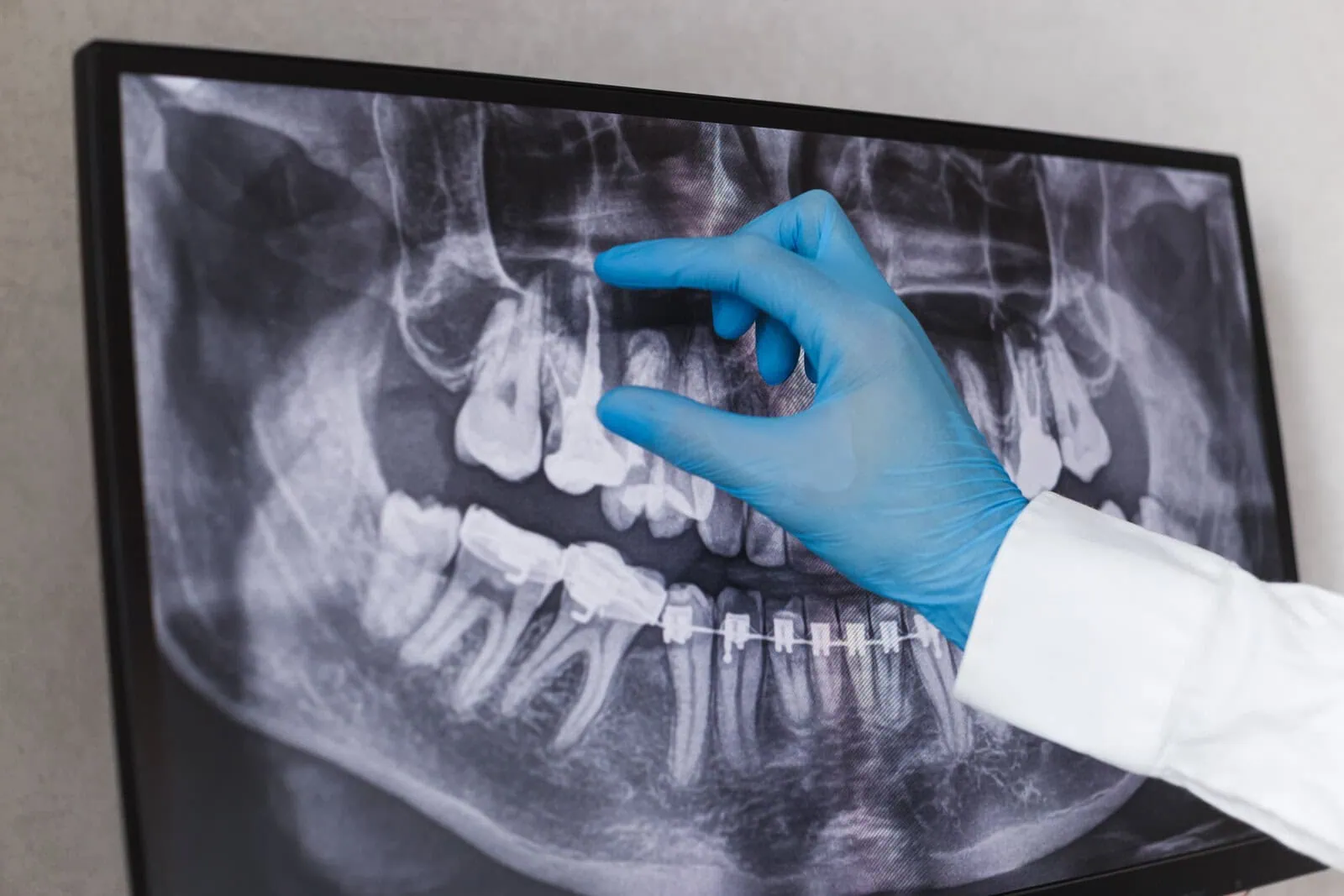
01. Why Patients Choose Riverwalk Dental Group for Root Canal Treatment
Two Dedicated Endodontists: No Referrals Needed
Many general dental practices refer patients to outside specialists for root canals. At Riverwalk Dental Group, our team handles root canal treatment at our locations in Port St. Lucie, Saint Lucie West, Stuart, and Jupiter. For patients needing a root canal at any of our offices in Port St. Lucie, Saint Lucie West, Stuart, and Jupiter, having specialists on staff means faster treatment, fewer appointments, and a single trusted team for your care.
Comfortable, Anxiety-Free Care for Nervous Patients
We know that the idea of a root canal can cause worry. Our endodontists are trained to put patients at ease with gentle techniques, local anesthesia, and sedation options. We explain every step, answer your questions, and move at your pace. Most patients tell us the experience was much easier than they expected.
02. Signs You May Need a Root Canal
Tooth pain often signals that the nerve inside the tooth is infected or damaged. Common signs include:
- Sharp or throbbing pain when chewing or pressing on the tooth
- Sensitivity to hot or cold that lingers
- Darkening or discoloration of the tooth
- Swollen or tender gums near a specific tooth
- A small pimple-like bump on the gum that may drain pus
If you notice any of these symptoms, do not wait. Early treatment can save the tooth and prevent the infection from spreading.
03. What to Expect During Your Root Canal Appointment
Step-by-Step: Your Root Canal Visit
Your endodontist will begin by numbing the area with local anesthesia. Once you are completely comfortable, they will create a small opening in the tooth to remove the infected pulp. After cleaning and disinfecting the root canals, the tooth is filled with a rubber-like material and sealed. A follow-up appointment for a custom crown is usually recommended to protect the tooth.
Recovery and Returning to Normal Activities
Most patients return to work or school the same day or the next. You may have mild tenderness in the area for a few days, which is easily managed with over-the-counter pain relievers. Avoid chewing on the treated tooth until the final restoration is placed. For more detailed recovery guidance, see our blog post on how soon you can work after getting a root canal.
04. Root Canal vs. Tooth Extraction: Which Is Right for You?
Saving your natural tooth is almost always the preferred option. A root canal removes infection while preserving the tooth structure. Extraction removes the tooth entirely and usually requires a dental implant or bridge to restore function. Here is a comparison to help you decide.
| Feature | Root Canal | Tooth Extraction |
|---|---|---|
| Natural tooth preserved | Yes | No |
| Treatment sessions | 1 to 2 | 1 |
| Follow-up restoration needed | Crown recommended | Implant or bridge often needed |
| Long-term cost | Lower (tooth retained) | Higher (replacement required) |
| Recovery time | Minimal | Moderate |
| Best for | Infected but restorable tooth | Non-restorable tooth |
If your tooth can be saved, root canal therapy is the wiser investment. We also offer comprehensive dental emergency services if you are in immediate pain. Additionally, our periodontics team can help with gum health before or after your root canal.
05. Insurance, Financing & Scheduling
We accept most major dental insurance plans and will verify your benefits before any treatment. For patients without insurance, our affordable membership plan provides discounted rates on root canals and other services. Online scheduling is available for your convenience. For more details, visit our insurance & financing page.