

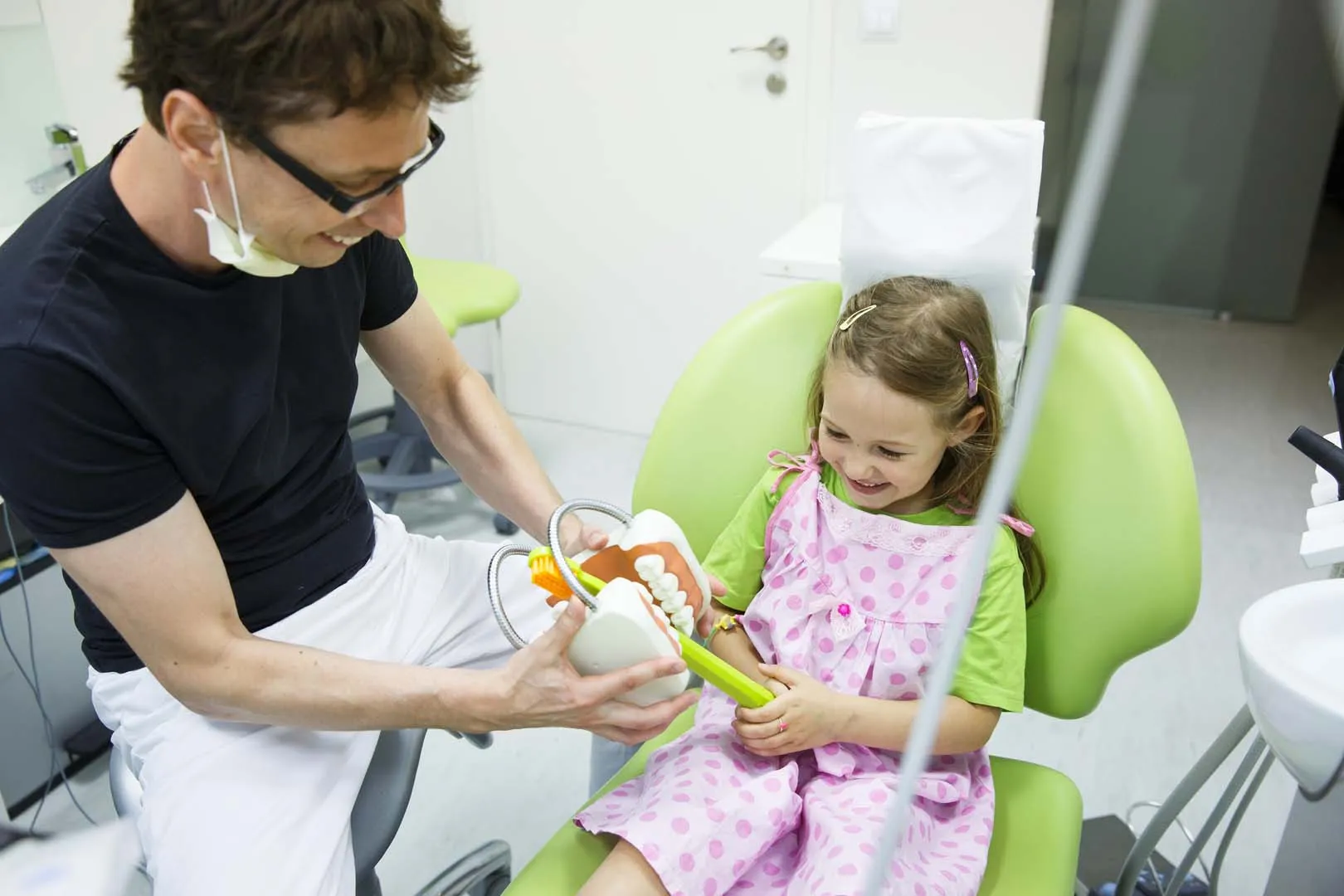
Preventive Dental Care Across Our Offices
At Riverwalk Dental Group, we believe that preventive dental care across Port St. Lucie, Saint Lucie West, Stuart, and Jupiter is the key to a healthy, long-lasting smile. Our practice welcomes new patients and accepts most insurance plans. We offer care in English and Spanish, and we bring a full range of preventive services under one roof — from routine cleanings and exams to advanced imaging and laser dentistry. Whether you are due for a dental checkup across Port St. Lucie, Saint Lucie West, Stuart, and Jupiter or looking for a dental home for your whole family, our team is here to help.
Why Preventive Care Is the Foundation of a Healthy Smile
Regular preventive care helps you catch small concerns before they become bigger, more costly problems. Cleanings remove plaque and tartar that brushing alone cannot reach, and exams let your dentist spot early signs of decay, gum disease, or other issues. Staying on schedule with routine dental care across Port St. Lucie, Saint Lucie West, Stuart, and Jupiter means you spend less time in the treatment chair and more time enjoying a confident smile.
What Happens When Preventive Care Is Skipped
No one likes to think about problems that might never happen. But skipping checkups and cleanings can allow hidden decay or gum inflammation to progress. What starts as a simple cavity may need a filling, then a crown, and eventually a root canal. By choosing to keep up with preventive care across Port St. Lucie, Saint Lucie West, Stuart, and Jupiter, you are making an informed decision to protect your oral health and avoid more involved treatment later. There is no judgment here — only honest guidance to help you stay well.
Our Preventive Services across Port St. Lucie, Saint Lucie West, Stuart, and Jupiter
Riverwalk Dental Group offers a complete suite of preventive services. Each is designed to catch problems early, keep your mouth healthy, and make your visits as comfortable as possible.
 Option 01
 Dental Cleanings & Exams
A professional cleaning and thorough exam are the cornerstones of preventive care. Our hygienists and dentists work together to remove buildup, check your gums, and screen for any changes. Learn more on our
 Option 02
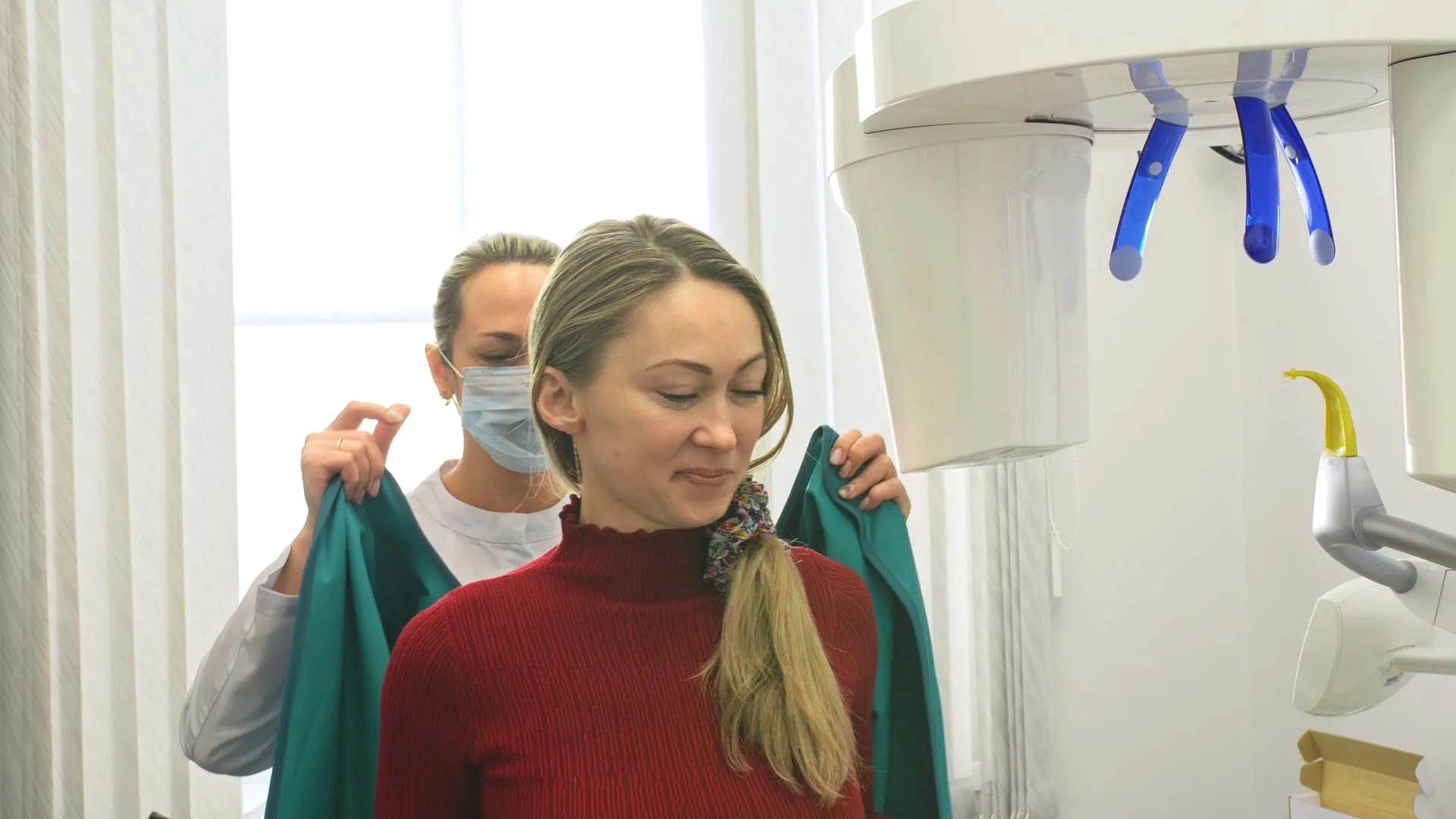
 Advanced Imaging with CT Scans
Sometimes the naked eye is not enough. Our on-site CT scanner provides detailed 3D images of your teeth, jawbone, and sinuses. This allows us to detect issues like impacted teeth, infections, or bone loss earlier than traditional X-rays. See how it works on our
Option 03 Advanced Imaging with CT Scans
Sometimes the naked eye is not enough. Our on-site CT scanner provides detailed 3D images of your teeth, jawbone, and sinuses. This allows us to detect issues like impacted teeth, infections, or bone loss earlier than traditional X-rays. See how it works on our
The Benefits of Choosing Riverwalk for Routine Dental Care
Why do so many families choose Riverwalk Dental Group for their oral health across Port St. Lucie, Saint Lucie West, Stuart, and Jupiter? It comes down to a few key advantages:
Our comprehensive services page gives an overview of everything we offer.

Specialists in-house
We have a periodontist and an oral surgeon on the same team. If your routine exam reveals something that needs specialty care, you do not have to go to another practice.
Insurance-friendly
We accept most major plans and also offer a membership option for uninsured patients. Check our <a href="/patient-information/insurance-financing/" class="text-brand-primary font-bold hover:underline">Insurance & Financing</a> page for details.
Multilingual team
Care is available in English and Spanish so every patient feels understood.
Comfort-focused
From our friendly front desk to our gentle clinicians, we take time to listen and explain. Sedation options are available if you feel anxious.
New patients always welcome
Whether you are new to the area or just looking for a change, we are glad to see you.
Frequently Asked Questions About Preventive Dental Care
How often should I schedule a dental checkup across Port St. Lucie, Saint Lucie West, Stuart, and Jupiter? 01 //
Most patients should visit every six months for a routine exam and cleaning. Some people with gum disease, high cavity risk, or certain medical conditions may need more frequent visits. Your Riverwalk dentist will recommend a schedule that fits your needs.
Does Riverwalk Dental Group accept insurance for routine dental care? 02 //
Yes, we accept most major dental insurance plans. We also have an in-house membership plan for patients without insurance. For more details, visit our Insurance & Financing page.
What can I expect at my first preventive visit? 03 //
Your first appointment includes a comprehensive exam, professional cleaning, and any necessary X-rays. We review your medical and dental history, discuss your concerns, and work together to create a plan that keeps your smile healthy for years to come.
Is preventive care available for children and seniors? 04 //
Absolutely. We treat patients of all ages. For children, we focus on cavity prevention and building positive dental habits. For seniors, we pay extra attention to gum health, dry mouth, and any issues related to medication or age-related changes.